AMerican board of first responder behavioral healthcare (frbh)
FRBH Board of Directors, Leadership, and Advisory Council
Jeffrey Patterson
Chair of the Board


Kevin Sligh Sr.
Vice Chair of the Board

Elisa Kirkhorn
Director-at-Large

James Simon
Treasurer of the Board

Chiquita Cooper
Secretary of the Board

Sadie Elisseou
National Advisory Council (Trauma-Informed Care)

James Small
National Advisory Council (Emergency Medical Services)

Keely Heyman
National Advisory Council (Public Safety Communications)

I. David Daniels
National Advisory Council (Fire Service)

Eric Milstein
National Advisory Council (Corrections)

Eric Rhodes
National Advisory Council (Law Enforcement)

Michael Zamperini
National Advisory Council (Industrial & Systems Engineering)

Christopher Brown
National Advisory Council (Occupational Safety & Health)

Tamara Telles
National Advisory Council (Public Health)

Kalim Wigfall
Executive Director

Veronica Morrow
Director of Stakeholder Engagement

Teri Kelly
Director of External Affairs

Bobby Watkins
Director of Business Operations

Joel Williams
Director of Field Operations

Lissette Powell
Director of Training & Education

Regina Durso
Director of Framework Integrity
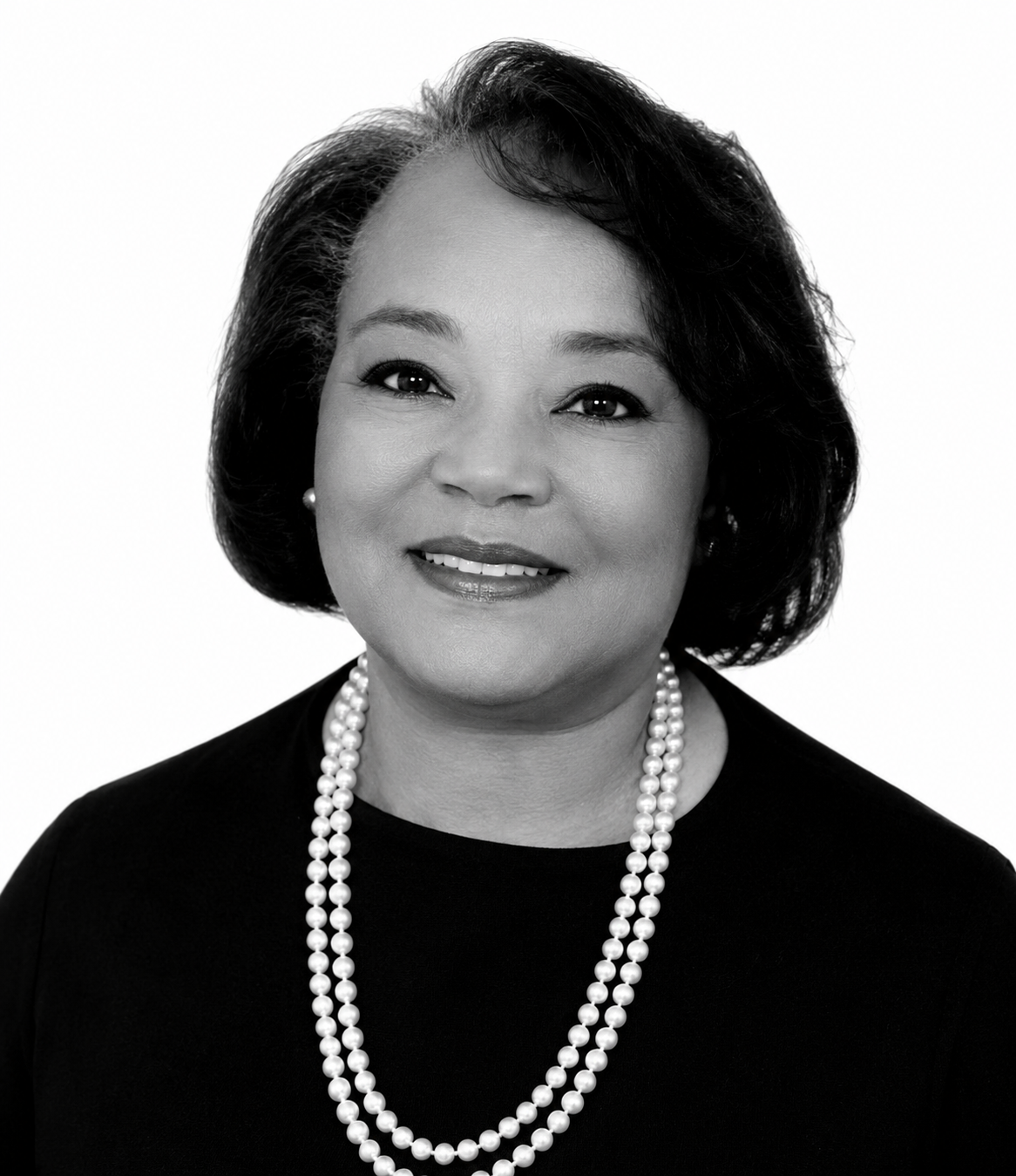
Jenny Jackson
Director of Innovation & Evaluation

Lucretia Boazman
Director of Compliance

Governance
The American Board of First Responder Behavioral Healthcare (FRBH) maintains a governance framework designed to support the independence, impartiality, transparency, and institutional integrity required of a standards-development organization.
Governance Principles
FRBH governance is founded on the following principles:
• Institutional independence
• Integrity of the National Standard
• Fiduciary oversight and accountability
• Clearly defined institutional authority
• Management of conflicts of interest
• Transparency of process
• Public trust
These principles guide institutional decision-making and stewardship across FRBH functions.
Board of Directors
The Board of Directors is the governing and fiduciary authority of FRBH. It provides strategic oversight, approves governance and organizational policy, safeguards institutional independence, and serves as steward of the National Standard.
During the provisional period, the Board serves as the standards adoption authority.
The chief executive is not a member of the Board and participates at the Board’s invitation. Directors serve defined terms under documented governance policy.
VIEW LEADERSHIP →
National Advisory Council
The National Advisory Council provides multidisciplinary subject-matter expertise supporting the development and refinement of the National Standard. Members represent public safety professions and related disciplines and serve in a non-voting advisory capacity.
The Council operates separately from fiduciary governance. Members are subject to FRBH conflict-of-interest requirements.
Council members review and provide comment on the National Standard as part of the standards-development process. The nature and scope of that participation are disclosed within the Standard.
Executive Administration
Executive Administration is responsible for institutional operations, implementation support, and publication of the National Standard, as well as administration of the National Technical Assistance Center.
The Board of Directors remains the standards adoption authority during the provisional period.
Separation of Functions
FRBH maintains defined separation among standards development, implementation support, fiduciary governance, executive administration, and advisory functions.
These functions operate under defined responsibilities intended to preserve institutional independence, objectivity, and impartiality and to manage actual or potential conflicts of interest.
Conformity Assessment
FRBH does not perform conformity assessment, certification, or accreditation against the National Standard and does not operate such a program. Organizations currently determine their own conformity through self-assessment in accordance with Chapter 3 of the Standard.
This separation is structural: the institution that establishes the requirements does not determine which organizations have met them.
The Standard establishes requirements that would apply to any future independent conformity assessment body, including requirements addressing independence, competence, impartiality, and conflicts of interest. FRBH has not licensed, approved, recognized, or listed any such body, and no independent conformity assessment program currently operates against this edition.
Conflict of Interest and Impartiality
The National Standard is published without charge. Implementation and conformity do not depend on payment of a fee or purchase of a service from FRBH or any other party.
FRBH does not provide organization-specific consulting, assess hazards or work environments, recommend exposure controls, or determine organizational conformity. General implementation support for the National Standard is available without charge and on the same terms to all organizations through the National Technical Assistance Center.
Requirements and institutional policies addressing disclosure, conflicts of interest, impartiality, and organizational independence support the separation of FRBH's standards-development and implementation-support functions from commercial or organization-specific services.
Standards Development Status
Version 3.1 of the FRBH National Standard is published as a Provisional Field-Test Edition. It is available for voluntary implementation while FRBH continues field validation, stakeholder engagement, public comment, and development toward an open multi-stakeholder consensus process.
Requirements may be revised as that work progresses and before publication of the first Consensus Edition.
FRBH will publish updates as the standards-development progress continues.
Public Accountability
FRBH publishes the membership of its Board of Directors and National Advisory Council.
FRBH also discloses the development status of the National Standard, including outstanding consensus steps, field-validation status, and substantive changes between editions.
As the Standard is revised, FRBH publishes revision information so organizations implementing an earlier edition can evaluate the effect of changes on their implementation and conformity.
Governance Documents
Governance Policy (PDF) · Conflict of Interest Policy (PDF) · Impartiality Policy (PDF) · Board Charter (PDF)
Impartiality & Conflict of Interest PolicyThe American Board of First Responder Behavioral Healthcare (FRBH) maintains a governance framework designed to support the independence, impartiality, transparency, and institutional integrity required of a standards-development organization.
Governance Principles
FRBH governance is founded on the following principles:
• Institutional independence
• Integrity of the National Standard
• Fiduciary oversight and accountability
• Clearly defined institutional authority
• Management of conflicts of interest
• Transparency of process
• Public trust
These principles guide institutional decision-making and stewardship across FRBH functions.
Board of Directors
The Board of Directors is the governing and fiduciary authority of FRBH. It provides strategic oversight, approves governance and organizational policy, safeguards institutional independence, and serves as steward of the National Standard.
During the provisional period, the Board serves as the standards adoption authority.
The chief executive is not a member of the Board and participates at the Board’s invitation. Directors serve defined terms under documented governance policy.
VIEW LEADERSHIP →
National Advisory Council
The National Advisory Council provides multidisciplinary subject-matter expertise supporting the development and refinement of the National Standard. Members represent public safety professions and related disciplines and serve in a non-voting advisory capacity.
The Council operates separately from fiduciary governance. Members are subject to FRBH conflict-of-interest requirements.
Council members review and provide comment on the National Standard as part of the standards-development process. The nature and scope of that participation are disclosed within the Standard.
Executive Administration
Executive Administration is responsible for institutional operations, implementation support, and publication of the National Standard, as well as administration of the National Technical Assistance Center.
The Board of Directors remains the standards adoption authority during the provisional period.
Separation of Functions
FRBH maintains defined separation among standards development, implementation support, fiduciary governance, executive administration, and advisory functions.
These functions operate under defined responsibilities intended to preserve institutional independence, objectivity, and impartiality and to manage actual or potential conflicts of interest.
Conformity Assessment
FRBH does not perform conformity assessment, certification, or accreditation against the National Standard and does not operate such a program. Organizations currently determine their own conformity through self-assessment in accordance with Chapter 3 of the Standard.
This separation is structural: the institution that establishes the requirements does not determine which organizations have met them.
The Standard establishes requirements that would apply to any future independent conformity assessment body, including requirements addressing independence, competence, impartiality, and conflicts of interest. FRBH has not licensed, approved, recognized, or listed any such body, and no independent conformity assessment program currently operates against this edition.
Conflict of Interest and Impartiality
The National Standard is published without charge. Implementation and conformity do not depend on payment of a fee or purchase of a service from FRBH or any other party.
FRBH does not provide organization-specific consulting, assess hazards or work environments, recommend exposure controls, or determine organizational conformity. General implementation support for the National Standard is available without charge and on the same terms to all organizations through the National Technical Assistance Center.
Requirements and institutional policies addressing disclosure, conflicts of interest, impartiality, and organizational independence support the separation of FRBH's standards-development and implementation-support functions from commercial or organization-specific services.
Standards Development Status
Version 3.1 of the FRBH National Standard is published as a Provisional Field-Test Edition. It is available for voluntary implementation while FRBH continues field validation, stakeholder engagement, public comment, and development toward an open multi-stakeholder consensus process.
Requirements may be revised as that work progresses and before publication of the first Consensus Edition.
FRBH will publish updates as the standards-development progress continues.
Public Accountability
FRBH publishes the membership of its Board of Directors and National Advisory Council.
FRBH also discloses the development status of the National Standard, including outstanding consensus steps, field-validation status, and substantive changes between editions.
As the Standard is revised, FRBH publishes revision information so organizations implementing an earlier edition can evaluate the effect of changes on their implementation and conformity.
Governance Documents
Governance Policy (PDF) · Conflict of Interest Policy (PDF) · Impartiality Policy (PDF) · Board Charter (PDF)